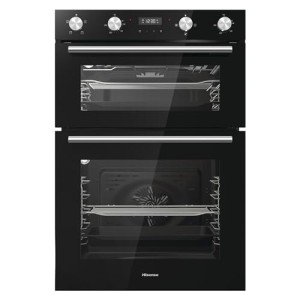
5 In Built Oven Projects For Every Budget
Understanding In-Built Ovens: A Comprehensive Guide
In the world of modern kitchen style, in-built ovens have increased to prominence, blending functionality with looks. Their seamless integration into cabinets supplies a streamlined appearance, making them progressively favored by house owners and culinary enthusiasts alike. This short article explores the various functions, advantages, installation factors to consider, and popular types of inbuilt ovens, alongside responding to some often asked questions.
What is an In-Built Oven?
A built-in oven, frequently described as a built-in oven, is a kitchen appliance designed to be installed within cabinetry, rather than as a freestanding system. This setup permits a more advanced and organized kitchen design while making the most of readily available space. Built-in ovens been available in different sizes, styles, and performances to suit different cooking needs and choices.
Benefits of In-Built Ovens
The benefits of installing an in-built oven extend beyond simple aesthetic appeals. Here are some essential advantages:
Space Efficiency: Built-in ovens are designed to fit snugly within kitchen cabinets, making them perfect for compact spaces. This style leaves counter area free for meal preparations.
Customizable Design: Homeowners can select from a range of styles and surfaces to match their kitchen design, improving the total appearance of the space.
Enhanced Functionality: Many built-in ovens are geared up with advanced cooking innovation, offering features such as convection cooking, steam cooking, and self-cleaning functions, which enhance cooking performance and flexibility.
Ergonomic Height: Installing an oven at eye level reduces the need to flex down, making it easier to check food and manage dishes without straining the back.
Improved Safety: Built-in ovens can incorporate security functions such as cool-to-the-touch surface areas and child locks, which can be especially crucial in homes with children.
Types of In-Built Ovens
Inbuilt ovens can be found in numerous types to cater to different culinary needs. Below is a comparison of common types:
Type
Description
Pros
Cons
Single Oven
A traditional oven that cooks from one space
Space-efficient, much easier to utilize
Minimal cooking capability
Double Oven
Two separate oven compartments for diverse cooking
More cooking area, versatility
Higher cost, uses up more area
Compact Oven
Smaller sized ovens suitable for little kitchens or as a second oven
Space-saving, flexible
Limited capability
Steam Oven
Utilizes steam for cooking, preserving moisture
Healthier cooking alternatives
Normally more expensive
Wall Oven
Built into the wall, readily available in single or double setups
Conserves flooring area
Installation intricacy
Functions to Consider When Choosing an In-Built Oven
When choosing an in-built oven, a number of features need to be considered:
Size: Measure your kitchen space and cabinetry to guarantee the oven fits effectively. Common widths for built-in ovens range from 24 inches to 30 inches.
Cooking Methods: Determine the cooking techniques you prefer— standard, convection, or steam. This decision will considerably affect your cooking style and the oven's capabilities.
Energy Efficiency: Look for ovens with high energy effectiveness scores. These designs conserve money on energy expenses and are better for the environment.
Control Options: Evaluate the control interfaces. gas hobs and ovens built in use wise functions permitting remote cooking control and tracking through mobile phone apps.
Safety Features: Ensure the oven features important safety features, specifically if kids will be present. Lock-out mechanisms and cool outsides are important improvements.
Setup Considerations
Proper setup is crucial for the optimum efficiency of a built-in oven. Here are some installation factors to consider:
- Ventilation: Ensure appropriate ventilation to remove smoke and smells. Consult local building regulations regarding kitchen ventilation requirements.
- Electrical Requirements: Built-in ovens typically need a dedicated electrical circuit. Have a certified electrical expert assess affordability and safety.
- Expert Installation: While DIY may be appealing, employing an expert installer guarantees the oven is fitted securely and safely.
FAQs About In-Built Ovens
What is the difference in between a built-in oven and a freestanding oven?
Built-in ovens are created to be installed within cabinetry, whereas freestanding ovens can stand alone and usually integrate oven and cooktop in a single appliance.
Can I install a built-in oven myself?
While DIY installation is possible, it is typically advised to employ an expert to ensure security and adherence to local building regulations.
Are built-in ovens worth the financial investment?
Yes, in-built ovens normally use enhanced aesthetic appeals, advanced functionality, and effective use of area compared to traditional freestanding designs.
What maintenance do inbuilt ovens need?
Routine cleaning, checking seals, and making sure proper ventilation are vital upkeep jobs. It's suggested to follow the producer's guidelines for particular care standards.
How much does an in-built oven generally cost?
Costs can vary significantly based on features, brand name, and type, however built-in ovens generally range from ₤ 700 to ₤ 3,000 or more.
In-built ovens present a blend of sophistication and practicality, making them an excellent option for both new building and constructions and kitchen remodels. Understanding the types, features, and setup factors to consider can empower property owners to make educated choices about which in-built oven best matches their requirements. As cooking patterns evolve and kitchen design ends up being more advanced, inbuilt ovens will continue to play a substantial function in modern kitchen areas, combining cooking with design and functionality.